
Titles and Openings:
Building the Doorway and the Hook
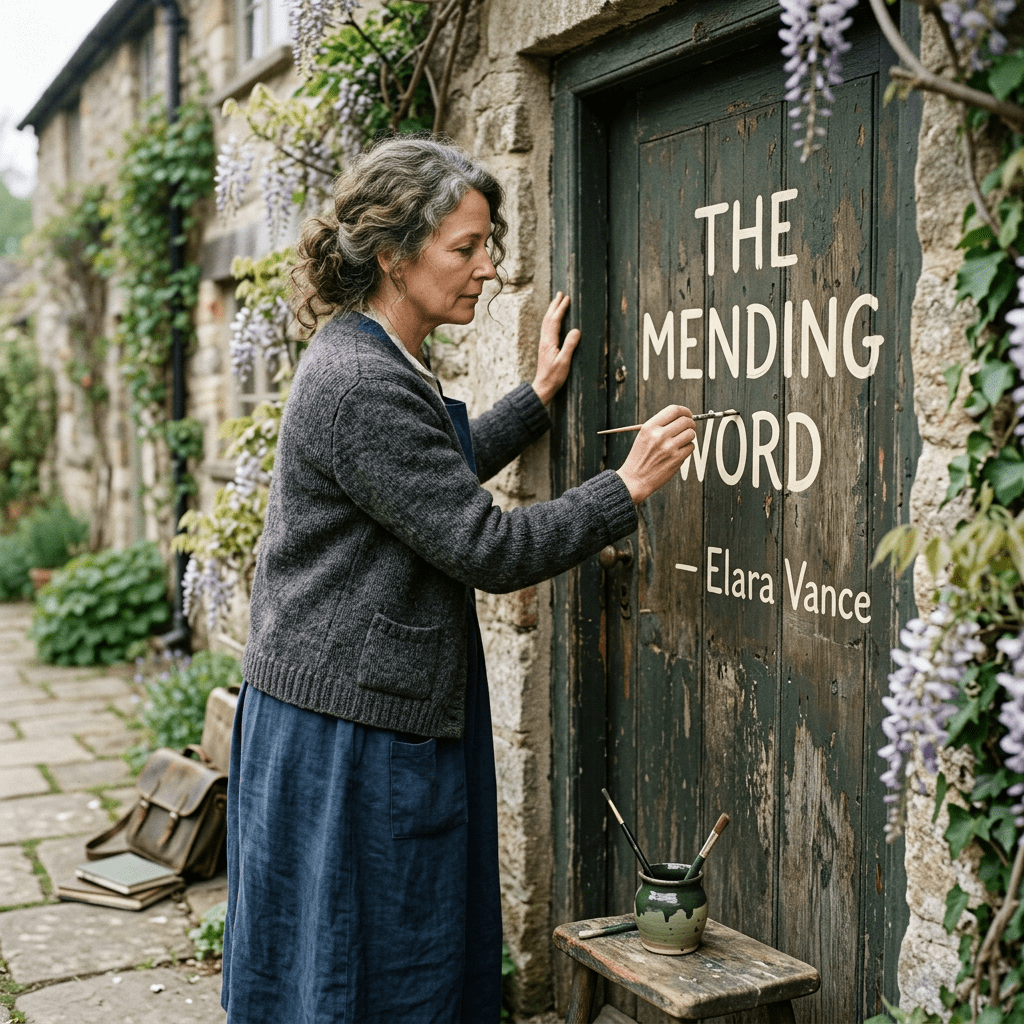
Imagine walking down a crowded city street at night. Every building has a door, but only a few make you want to stop, turn the handle, and step inside.
In the world of poetry, your title is that door. Your opening line is the first step into the room.
Most beginners treat the title like an afterthought—a generic label they slap onto the top of the page right before hitting save (think: “Loneliness,” “Autumn Thoughts,” or “Untitled #4”). Then, they open the poem with a slow, sleepy line that clears its throat for three sentences before getting to the point.
In a digital world where readers have short attention spans, you cannot afford to waste space. Your title and your first line are the most valuable real estate on the page. They shouldn’t just summarize the poem; they should create immediate narrative tension, setup an intrigue, and hook the reader by the collar.
1. The Title: The Second Engine
A great title does not simply describe what the poem is about. If your poem is about a dog dying, and your title is “On the Death of My Dog,” you have wasted an opportunity. The title should act as a second engine, doing heavy psychological work before the first line even begins.
A brilliant title sets up a baseline expectation that the poem can then play with, contextualize, or completely explode.
Four Strategies for High-Voltage Titles
- The Conceptual Frame (Providing the Blueprint): Give the reader a specific lens through which to read mundane details.
- Example: “Arguments with My Father Disguised as Tomato Soup Recipes”
- Why it works: Now, when the reader sees a line about boiling water, they are already looking for the hidden emotional violence.
- The Narrative Setup (Stating the Scene): Give the time, place, or action so the poem doesn’t have to spend three lines doing boring exposition.
- Example: “At 3:00 AM in the Neon Light of the 24-Hour Laundromat”
- Why it works: The atmosphere is instantly locked in. The first line can jump straight into the emotional action.
- The Paradox (Creating Immediate Friction): Put two conflicting ideas together to spark curiosity.
- Example: “Kindness as an Act of War”
- Why it works: The reader’s brain immediately asks: How can kindness be violent? They have to read the poem to find out.
- The Stolen Artifact (The Found Text Title): Use a fragment of real-world language—a spam email subject line, a text message left on read, or a snippet of fine print.
- Example: “Your Account Has Been Temporarily Flagged for Suspicious Activity”
2. The Opening Line: Dropping Them into the Current
Once the reader opens the door, do not let them stand in the hallway clearing their throat. Avoid what editors call “scaffolding lines”—lines where the poet is just warming up their fingers.
Weak (Scaffolding): “I sat down at my wooden desk today / and thought about the things you used to say.”
Strong (The Hook): “The third time you called from the precinct, it was raining.”
Look at the difference. The first example is boring, predictable, and slow. The second example drops the reader directly into the middle of a burning room (a literary technique known as in medias res—in the midst of things). The reader instantly wants to know: Why are they calling from a precinct? What happened the first two times?
Three Ways to Strike an Opening Match
┌──────────────────────────────────────────────────────────┐│ THE THREE OPENING HOOKS │├────────────────────────────┬─────────────────────────────┤│ The Strategy │ The Execution ││ • The Volatile Statement │ "We killed the radio ││ (An undeniable, sharp │ before we crossed the ││ claim) │ state line." ││ │ ││ • The Strange Detail │ "The refrigerator smelled ││ (An unexpected, sensory │ like old pennies and cold ││ image) │ grease." ││ │ ││ • The Direct Address │ "Do not tell me you love ││ (Speaking straight to │ the moon when you are ││ the reader/subject) │ afraid of the dark." │└────────────────────────────┴─────────────────────────────┘
3. The Chemistry Between Title and First Line
The true magic happens in the spark between the title and the first line. They should have a chemical reaction. Think of the title as a pitch, and the first line as the swing.
Look at how these two pieces of real estate can play off each other to create instant narrative depth:
Title: Self-Portrait as a Faulty Smoke Detector Line 1: I only speak up when the kitchen is already ruined.
The title introduces a surreal, mechanical metaphor. The first line immediately internalizes it, turning it into a devastating psychological confession about communication. There is zero wasted motion.
The Editing Workshop: The Doorway Audit
When reviewing a draft for your blog or notebook, put your title and your first line through this quick triage:
- The Blackout Test: Cover up the rest of your poem. Look only at the title and the first line. If someone saw only those two sentences on an index card, would they be desperate to flip it over? Or would they know exactly what the rest of the card looks like?
- Delete Line One: Take your first line and completely cross it out. Does the poem actually start on line two or line three? Nine times out of ten, a poet’s real opening line is hiding a few inches down the page, waiting for the scaffolding to be cleared away.
- The Specificity Injection: If your title is “The Train Station,” change it to something that includes a time, a specific city, or a modern artifact (“The 6:14 to Brussels with a Broken Headlight”). Watch how the entire energy of the piece shifts when it is anchored in a real, flawed world.
Stop treating your titles like labels on a jar. Treat them like the ignition switch. Turn the key, spark the line, and let your reader drop headfirst into the current of your words.

